What Daily Life With ADHD Really Feels Like
Daily life with ADHD can feel overwhelming, frustrating, and misunderstood. Learn why ADHD is not laziness and how the ADHD brain really works.

Have you ever stared at a task for hours, desperately wanting to start it, but somehow still couldn’t move?
Have you ever walked into a room and completely forgotten why you were there?
Or found yourself feeling overwhelmed by something that seems effortless for everyone else?
If so, you’re not alone.
Understanding daily life with ADHD can help explain why everyday tasks often feel harder than they appear to others.
For millions of people, daily life with ADHD isn’t simply about being distracted. It’s a constant balancing act involving attention, motivation, memory, emotions, and time itself.
From the outside, ADHD can look like forgetfulness, procrastination, or disorganization. But beneath the surface, there is often a tremendous amount of effort that nobody sees.
The truth is that ADHD is not a character flaw. It is a neurological condition that affects how the brain manages executive functioning, emotional regulation, and motivation. Understanding this can be life changing for both people with ADHD and those who love them.
ADHD Is Not About Intelligence
One of the biggest misconceptions about ADHD is that it means someone is lazy, unmotivated, or not trying hard enough.
In reality, many people with ADHD are highly intelligent, creative, compassionate, and capable.
The challenge isn’t ability.
The challenge is regulation.
ADHD affects the brain’s executive functioning system, which helps us plan, prioritize, organize, start tasks, and follow through. When these systems aren’t working efficiently, even simple tasks can feel overwhelming.
This is why someone with ADHD may successfully manage a complicated project at work while forgetting to pay a bill or switch laundry from the washer to the dryer.
The issue is not intelligence. It’s how the brain manages attention and effort.
The ADHD Brain Isn’t Lazy. It’s Running on a Different Fuel System.
Many experts now describe ADHD as an issue of motivation and self regulation rather than attention alone.
Research shows that ADHD affects dopamine and norepinephrine, two neurotransmitters involved in reward, focus, and motivation.
When a task feels boring, repetitive, or lacks immediate reward, the ADHD brain may struggle to generate enough activation to get started.
That’s why you might think about doing the dishes all day and still never begin.
Yet when something is exciting or deeply interesting, the opposite can happen.
Hours disappear.
Meals get forgotten.
Notifications go unanswered.
This phenomenon is called hyperfocus.
People with ADHD often do not have a shortage of attention. They have difficulty controlling where that attention goes.
Why Daily Life Makes Time Feel Different
Have you ever looked at the clock and realized three hours somehow vanished?
Or convinced yourself a task would take ten minutes only to discover it took an hour?
Many people with ADHD experience something called time blindness.
Time blindness makes it difficult to accurately estimate how long tasks will take, feel urgency for future deadlines, or perceive the passage of time.
Leading ADHD researcher Dr. Russell Barkley describes this as difficulty with “mental time travel.” Future consequences often do not feel real until they become immediate.
This can lead to:
- Chronic lateness
- Missed deadlines
- Procrastination
- Last minute panic
- Difficulty planning ahead
If procrastination is something you struggle with regularly, you may also find info on How to Stop Procrastinating helpful. It explores practical strategies that can make starting and finishing tasks feel more manageable. The frustrating part is that people with ADHD often care deeply about being responsible. Their brains simply process time differently.

Why You Forget Things Even When They Matter
One of the most misunderstood parts of ADHD is working memory.
Working memory is the brain’s ability to temporarily hold information while using it.
When working memory struggles, everyday life becomes more difficult.
You might:
- Forget what you walked into a room to do
- Lose track of conversations
- Misplace important items
- Forget appointments
- Struggle with multi step directions
This isn’t because you don’t care.
It’s because your brain is trying to juggle information with fewer mental resources available at the moment.
Emotional Regulation In Daily Life With ADHD
Many people assume ADHD only affects focus.
In reality, emotions are often one of the hardest parts.
People with ADHD frequently experience emotions more intensely and may take longer to recover after emotional events.
A minor criticism can feel devastating.
A small mistake can trigger hours of shame.
An unexpected disappointment can completely derail the day.
This is not overreacting.
Research suggests emotional regulation differences are deeply connected to the ADHD brain.
Rejection Sensitivity Is Real
Many adults with ADHD describe feeling crushed by criticism, rejection, or disapproval.
Even when no rejection was intended.
This experience is often referred to as Rejection Sensitive Dysphoria.
It can lead to:
- People pleasing
- Avoiding difficult conversations
- Fear of failure
- Social anxiety
- Perfectionism
Understanding this aspect of ADHD helps replace self judgment with self compassion.
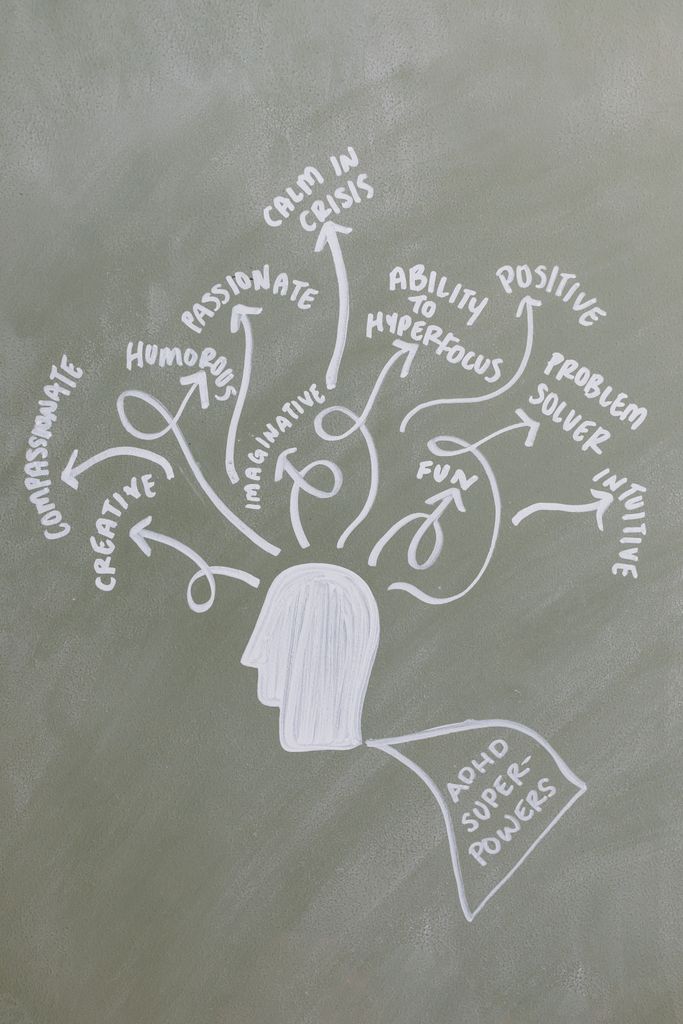
The Hidden Strengths of ADHD
ADHD is not only about challenges.
Many people with ADHD possess incredible strengths.
Research and clinical observations consistently highlight:
- Creativity
- Innovation
- Curiosity
- Problem solving
- Adaptability
- Empathy
- High energy in areas of passion
Many entrepreneurs, artists, creators, inventors, and leaders credit ADHD traits as part of their success.
The goal isn’t to eliminate ADHD.
The goal is learning how to work with your brain rather than against it.
What People With ADHD Need Most
People with ADHD do not need more criticism.
They do not need to be told to “just try harder.”
They need understanding.
They need support.
They need tools and environments that recognize how their brains work.
Most importantly, they need to know that ADHD is not a personal failure.
It is a neurological difference.
And with the right support, people with ADHD can thrive.
Key Takeaways
- ADHD is a neurological condition, not laziness.
- Executive functioning affects organization, planning, memory, and motivation.
- Time blindness can make deadlines feel distant until they become urgent.
- Emotional regulation challenges are common.
- Rejection sensitivity can affect relationships and self esteem.
- ADHD also comes with unique strengths including creativity and innovation.
Frequently Asked Questions About ADHD
Is ADHD a real neurological condition?
Yes. ADHD is recognized as a neurodevelopmental disorder by medical and mental health professionals worldwide. Research shows differences in brain structure, connectivity, and neurotransmitter activity that affect attention, motivation, impulse control, and executive functioning.
Why can people with ADHD focus on some things but not others?
People with ADHD do not have a lack of attention. They have difficulty regulating attention. Activities that are interesting, exciting, or rewarding can trigger intense focus, while repetitive or less stimulating tasks may be much harder to start and complete.
What is time blindness in ADHD?
Time blindness is the difficulty many people with ADHD experience when estimating time, managing schedules, or sensing how much time has passed. This can lead to procrastination, lateness, and last minute rushing.
Does ADHD affect memory?
ADHD commonly affects working memory, which is the brain’s ability to temporarily hold and use information. This can make it easier to forget appointments, lose track of conversations, or struggle with multi step tasks.
Is emotional sensitivity part of ADHD?
Yes. Many people with ADHD experience emotions more intensely and may take longer to recover from emotional situations. Emotional regulation challenges are a common but often overlooked part of ADHD.
What is Rejection Sensitive Dysphoria?
Rejection Sensitive Dysphoria, often called RSD, describes intense emotional pain triggered by perceived criticism, rejection, or failure. While not part of the official diagnostic criteria, it is commonly reported by people with ADHD.
Can adults have ADHD even if they were never diagnosed as children?
Absolutely. Many adults were not diagnosed in childhood, especially those who were quiet, inattentive, or developed coping strategies that masked symptoms. ADHD can continue into adulthood and affect work, relationships, and daily responsibilities.
Can people with ADHD be successful?
Yes. Many successful entrepreneurs, artists, creators, business owners, and professionals have ADHD. With the right support, tools, and understanding, people with ADHD can thrive and often bring unique strengths such as creativity, innovation, and problem solving.
Scientific and Medical References
- National Institute of Mental Health ADHD Overview
- Centers for Disease Control and Prevention ADHD Information
- American Psychiatric Association DSM Information
- Barkley, R. A. (2015). Attention Deficit Hyperactivity Disorder: A Handbook for Diagnosis and Treatment.
- Brown, T. E. (2013). A New Understanding of ADHD in Children and Adults.
- Arnsten, A. F. T. (2009). Toward a New Understanding of ADHD Pathophysiology. Biological Psychiatry.
Continue Reading
Looking for more support and encouragement?
You may also enjoy: