ADHD and Driving: Real-Life Challenges and Tips for Staying Focused Behind the Wheel
Driving can feel demanding when distractions, rushing, and busy thoughts pile up. Explore everyday challenges of ADHD and driving, along with six practical tips to help you prepare, limit distractions, and stay focused on the road.

ADHD and driving can be a challenging combination when there’s already a lot competing for your attention. There’s traffic to watch, directions to follow, and sometimes a conversation happening beside you. It can feel like everything needs your attention at once.
Some days, even getting out the door takes more effort than expected. Then you get in the car and realize you still need to enter the address, adjust the mirrors, and figure out where you’re going.
A little preparation can make the trip easier to manage. Let’s talk about some common challenges and practical ways to cut down on distractions behind the wheel.
How ADHD Can Affect Driving
Driving involves much more than steering. You’re watching traffic, checking mirrors, noticing signs, and making decisions as things change around you.
ADHD symptoms such as distractibility and impulsivity can make those demands harder to manage. CHADD’s guide to ADHD and driving explains how symptoms can affect driving and why managing them matters.
That experience won’t look the same for everyone. One person might struggle with unfamiliar routes, while another finds long, repetitive drives harder to stay focused on. Understanding where the difficulty shows up is a useful first step.
Everyday Driving Challenges That Can Add Up
Sometimes, several small distractions pile up. The directions are playing, someone is asking a question, and you’re trying to work out which lane you need.
Too Many Things Competing for Your Attention
A buzzing phone or a quick reach to change the music might seem harmless, but both can pull attention away from the road.
The National Highway Traffic Safety Administration identifies phone use, eating, conversations, and adjusting navigation as potential driving distractions.
Feeling Rushed Before You Even Leave
Running late can make every red light feel longer. A missed turn becomes frustrating, and it’s easy to start thinking more about the clock than the drive.
Leaving a little earlier gives you room for traffic, parking, and those small delays that always seem to happen when you’re in a hurry.
Following Directions Somewhere New
An unfamiliar route adds more to keep track of. You might be watching street signs, listening to navigation, and trying to find your turn all at once.
Looking over the route before leaving can help. You don’t have to memorize every street, but knowing the general direction and where you’ll park can make the trip feel less confusing.
Practical Tips for Driving With ADHD
You don’t have to change everything at once. Start with the distractions that come up most often and build a routine around them.
1. Get Everything Ready While You’re Parked
Before you pull away, adjust your seat and mirrors, buckle up, and get the temperature comfortable. Enter your destination and choose any music before moving.
It’s much easier to handle these little things when you’re not also watching traffic. If something needs changing during the trip, find a safe place to park first.

2. Put Your Phone Away
A notification can be tempting even when you weren’t planning to check your phone. Turn on Do Not Disturb or driving mode before leaving, then put the phone somewhere you won’t reach for it.
If you need it for navigation, secure it before driving and use spoken directions. Save messages and calls for when you’re safely parked. Hands-free features can still take your attention away from driving.
3. Give Yourself a Little More Time
Try setting a reminder for when you need to start getting ready, along with one for when you need to leave.
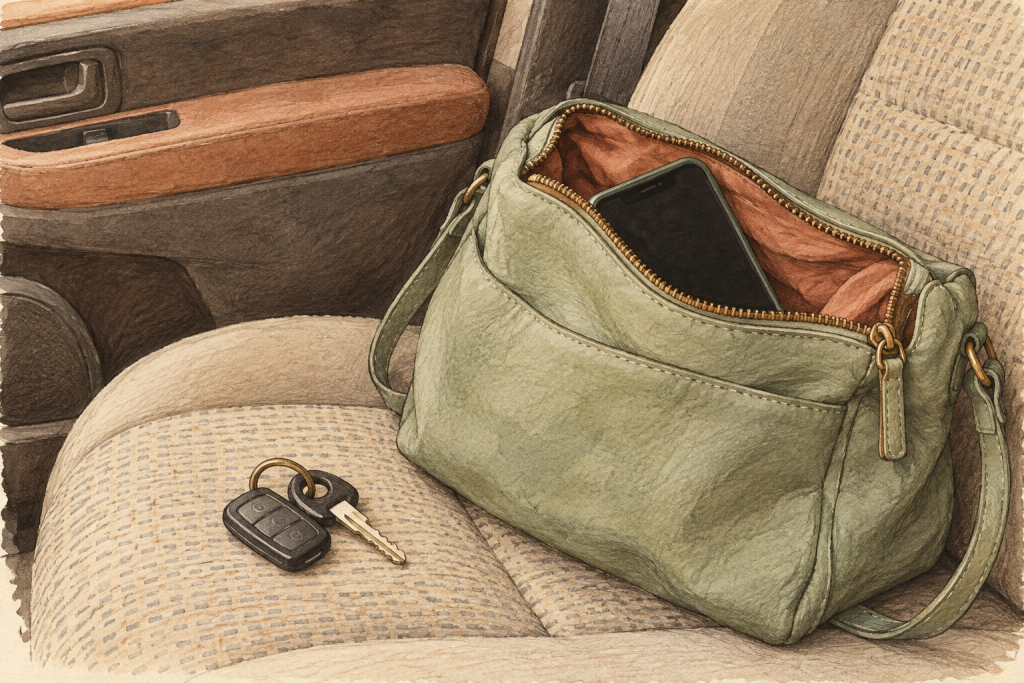
Getting out the door includes finding your keys, gathering your things, and getting everyone settled. Allowing time for those steps can make the start of the trip feel less rushed.
4. Ask Passengers for Quiet When You Need It
It’s okay to say, “Give me a minute, I need to focus on this turn.”
You don’t need a long explanation. Let passengers know when you need less conversation, especially in heavy traffic or somewhere unfamiliar.
If you’re traveling with children, explain before leaving that there will be moments when you need a quieter car.
5. Let a Missed Turn Stay a Missed Turn
Missing an exit is frustrating. But there’s no need to fix it with a sudden turn or last-second lane change.
Keep going safely and let the navigation find another route. Getting there a few minutes later is okay.
6. Notice When You’re Struggling to Focus
If you feel overwhelmed or can’t keep your attention on driving, find a safe place to park.
Give yourself a moment to work out what you need. If you still can’t concentrate well enough to drive safely, postpone the trip or arrange another way to travel.

ADHD Medication and Driving
If you take ADHD medication, follow your prescription and discuss driving concerns with your prescriber. Mention any times when symptoms are harder to manage.
Check the driving warnings on other prescription and over-the-counter medicines too. If something makes you sleepy, dizzy, or otherwise impaired, don’t drive. Ask your pharmacist or prescriber for guidance before changing how you take it.
You can keep the conversation simple: “I’m having trouble staying focused while driving. Could we talk about my symptoms and whether any of my medicines might be affecting me?”
A Simple Checklist Before You Leave
Review this while you’re still parked:
- Am I alert and able to concentrate?
- Is everyone buckled in?
- Are my seat and mirrors adjusted?
- Have I entered the destination?
- Are notifications silenced and my phone secured?
- Is everything put away so I won’t need to reach for it?
- Do I need a quieter car for this trip?
Once you’re moving, leave the checklist alone and keep your attention on the road.
When to Ask for More Support
If driving difficulties keep happening, or you’ve had repeated near misses, talk with a healthcare professional.
Specific examples can help. Explain what happened, what you noticed, and whether tiredness, distractions, or medication effects seemed involved.
That conversation can help you work out what support you need and whether a driving assessment would be useful.
More Reading on Hidden Disabilities and Driving
Not every condition that affects someone’s day is visible. ADHD is one example, and driving challenges can vary from person to person.
Lawrence & Associates’ guide, Effects of Hidden Disabilities on Driving, offers a broader look at invisible conditions and driving considerations. This general resource is published by a law firm.
For information focused specifically on ADHD, visit CHADD’s ADHD and Driving page.
Frequently Asked Questions About ADHD and Driving
Can People With ADHD Drive?
Many people with ADHD drive. A diagnosis alone doesn’t describe someone’s driving ability. Symptoms, how well they’re managed, and how the person is feeling at the time all matter.
If you’re concerned about driving safely, speak with your healthcare professional.
Can Music Help Me Focus While Driving?
Pay attention to how music affects you. If it pulls your attention away or you keep wanting to change songs, try driving without it.
Choose your settings before leaving so you won’t need to adjust them while moving.
What Should I Do if I Feel Overwhelmed?
Find a safe place to park and assess how you’re feeling. If you still can’t concentrate, wait until you’re able to drive safely or arrange another way to travel.
What if I Keep Missing Turns?
Review the route before leaving and set up spoken navigation while parked. If you miss a turn, continue safely and let the directions reroute.
If you frequently lose track of where you are or miss important road information, discuss that with a healthcare professional.
Making Driving Easier to Manage
There’s enough to think about on the road without adding a phone notification, an unfinished setup, or pressure to make up lost time.
Start with a few things you can handle before leaving. Set the route, put distractions away, and give yourself time to get settled. And when you’re not able to focus safely, it’s okay to change the plan.
For more on managing everyday challenges, visit Daily Life With ADHD.
Sources and Further Reading
- CHADD: ADHD and Driving
- Lawrence & Associates: Effects of Hidden Disabilities on Driving
- NHTSA: Distracted Driving
This article provides general information. For individual concerns about symptoms, medication, or driving ability, speak with a qualified healthcare professional.