The Complete Beginner Gardening Guide
Growing your own vegetables is easier than you think. Learn how to start a garden and enjoy fresh, healthy food from your backyard.
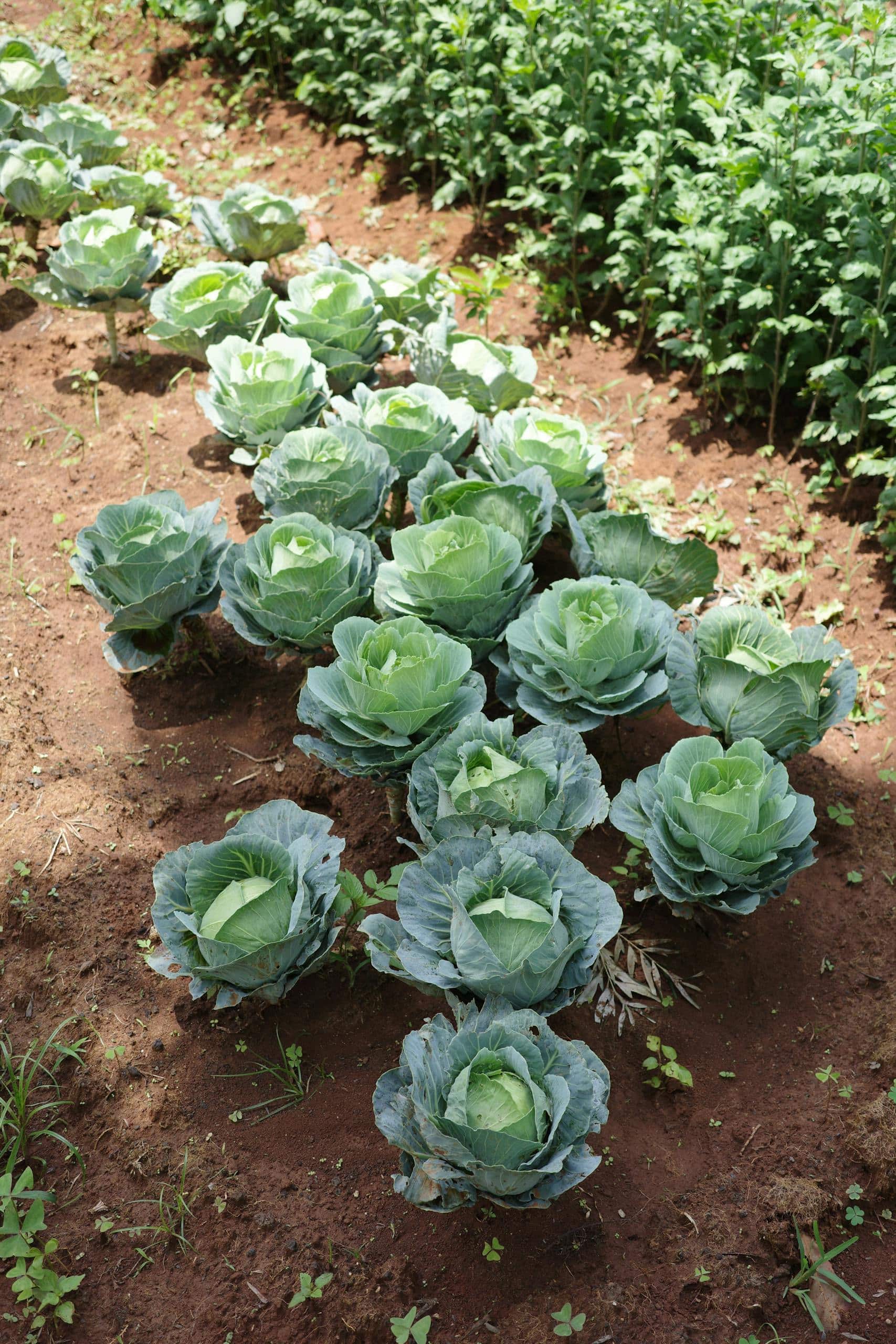
Planning Your Garden to Harvesting Your First Vegetables
Starting your first garden can feel confusing if you do not know where to begin. This beginner vegetable garden guide explains every step needed to grow healthy vegetables from seed to harvest. In this beginner vegetable garden guide you will learn how to prepare soil, when to plant vegetables, how many seeds to use, and how to care for plants throughout the growing season.
Gardening is one of the most rewarding activities individuals can learn. Growing vegetables at home can improve nutrition, reduce grocery expenses, and encourage more time outdoors. Many people believe gardening requires large amounts of land or extensive experience. However, even a small garden can produce a meaningful amount of food when planned correctly.
According to the National Gardening Association, home gardens can produce significant yields when gardeners understand soil quality, planting times, and proper plant care (National Gardening Association, 2023).
This step by step guide explains everything beginners need to know, including selecting a garden location, preparing soil, planting seeds, watering plants, preventing pests, and harvesting vegetables.
Step 1
Choose the Best Location for Your Garden
The first step in starting a garden is selecting a location that provides the right growing conditions.
Most vegetables require between six and eight hours of direct sunlight per day. Plants that produce fruit, such as tomatoes and peppers, require full sunlight for optimal growth (Ohio State University Extension, 2023).
When choosing a garden location, consider the following factors.
Sunlight exposure
Access to water
Soil drainage
Available space
Avoid areas where water pools after rainfall. Soil that remains too wet can damage plant roots.
If yard space is limited, container gardening is an excellent alternative.
Step 2
Determine the Size of Your Garden
Beginner gardeners should start with a manageable garden size.
A garden plot around four feet by eight feet is ideal for beginners. This size allows gardeners to grow several vegetables without becoming overwhelmed by maintenance.
Raised garden beds are also helpful for improving soil quality and controlling weeds.
Step 3
Prepare the Soil
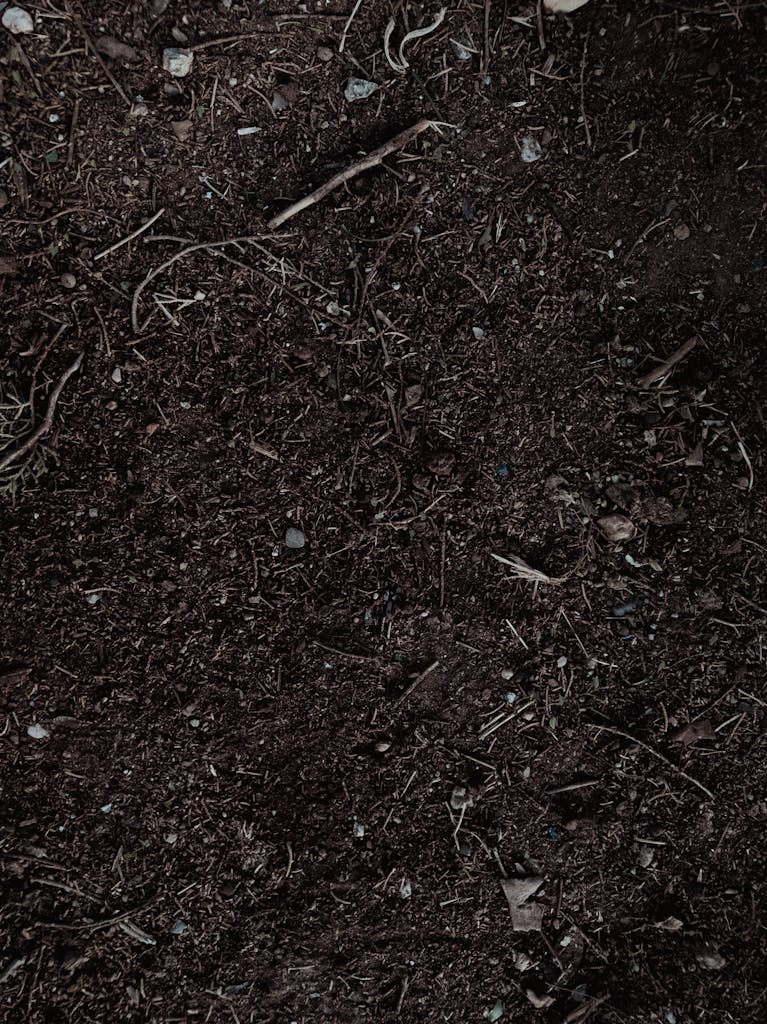
Healthy soil is essential for successful gardening.
According to the United States Department of Agriculture, soil health improves when organic matter such as compost and decomposed plant material is added to garden soil (United States Department of Agriculture, 2022).
Before planting vegetables, gardeners should loosen the soil to a depth of eight to ten inches.
Remove rocks and weeds before mixing compost into the soil.
Compost improves soil structure and increases the availability of nutrients that plants require for growth.
Step 4
Gather Basic Gardening Tools
Gardening does not require expensive equipment. Several basic tools can handle most gardening tasks.
Essential tools include
Hand trowel for planting
Garden rake for leveling soil
Garden hoe for removing weeds
Watering can or hose
Pruning shears
Gardening gloves
These tools are widely available at stores such as The Home Depot and Lowe’s.
Step 5
Understand Your Local Planting Season
Knowing when to plant vegetables is critical for gardening success.
Gardeners rely on the concept of the last frost date, which is the average final spring freeze in a region (United States Department of Agriculture, 2023).
In Midwestern states such as Ohio, the last frost date typically occurs between late April and early May.
Cool Season Crops
Cool weather vegetables tolerate lower temperatures and can be planted earlier.
Examples include
Lettuce
Spinach
Peas
Radishes
Carrots
These vegetables grow best when temperatures range between forty and seventy degrees Fahrenheit.
They can be planted two to four weeks before the last frost.
Warm Season Crops
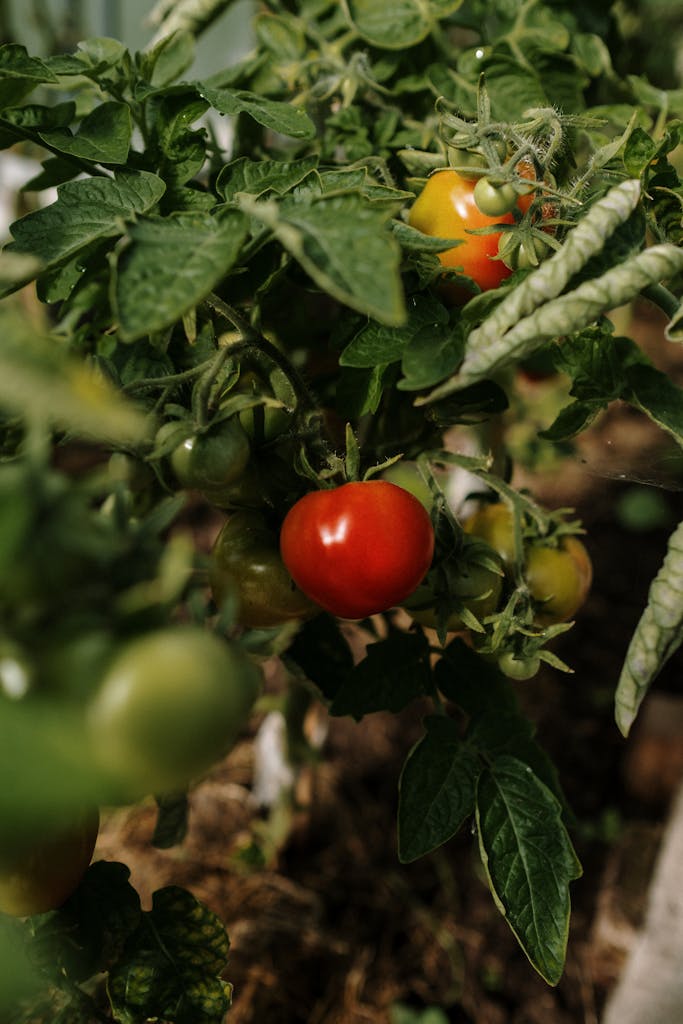
Warm weather vegetables require higher temperatures and should be planted after frost danger has passed.
Examples include
Tomatoes
Peppers
Cucumbers
Beans
Zucchini
These plants grow best when temperatures range between sixty five and ninety degrees Fahrenheit (Ohio State University Extension, 2023).
Step 6
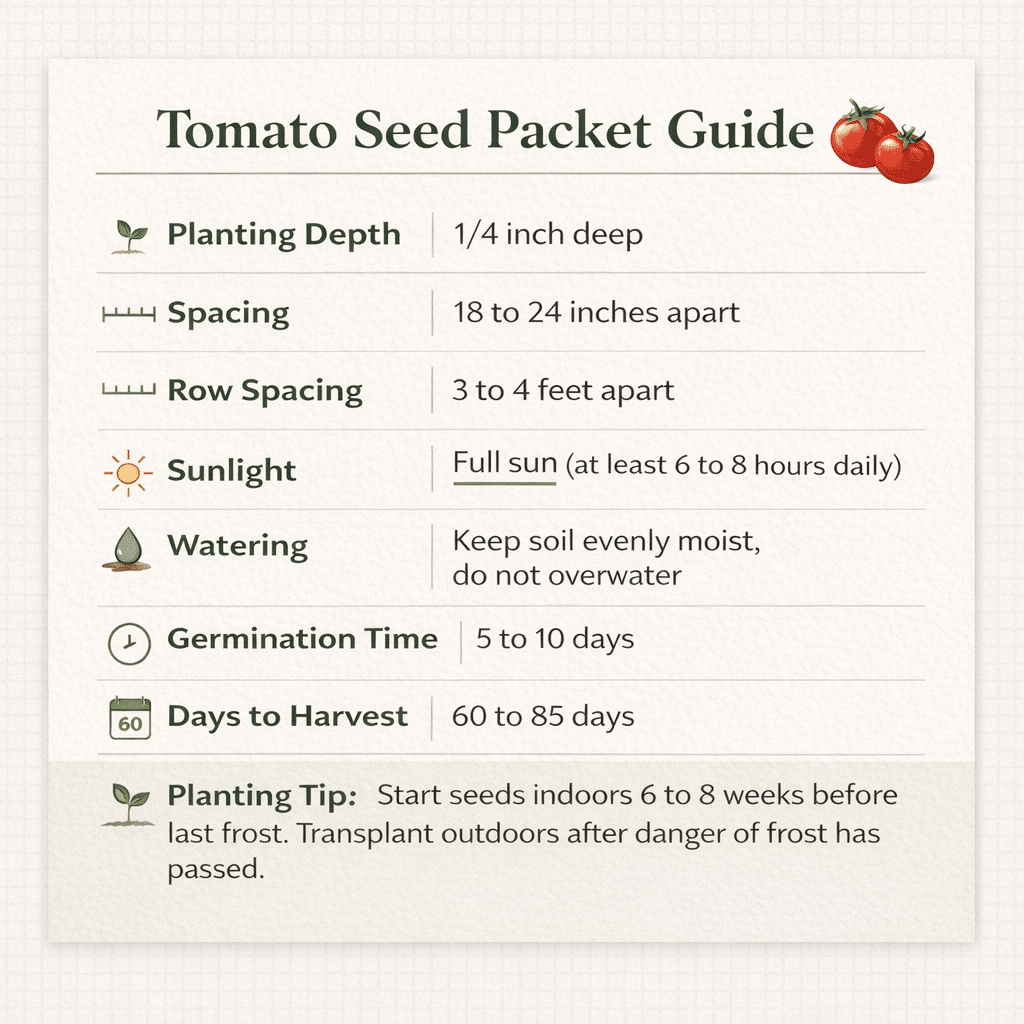
Read Seed Packets Carefully
Seed packets provide important planting instructions.
Information typically included on seed packets includes
Planting depth
Spacing between plants
Sunlight requirements
Days until harvest
Recommended planting temperature
Following seed packet instructions helps prevent common mistakes such as overcrowding plants.
Step 7
Plant Seeds Correctly
Seeds should be planted at the proper depth to ensure successful germination.
A common rule is to plant seeds approximately two to three times deeper than their size (Missouri Botanical Garden, 2024).
Small seeds such as lettuce should be lightly sprinkled on the soil surface and covered gently with soil.
After planting seeds, water the soil lightly to keep it moist.
Step 8
How Many Seeds to Put in Each Hole
Planting multiple seeds increases the chance that at least one seed will germinate.
Recommended seed amounts include
Lettuce three to four seeds per hole
Spinach two to three seeds per hole
Carrots three to four seeds per hole
Radishes two to three seeds per hole
Beans one to two seeds per hole
Peas one to two seeds per hole
Cucumbers two to three seeds per hole
Zucchini two seeds per hole
Tomatoes two to three seeds per hole when starting indoors
Peppers two to three seeds per hole
Once seedlings appear, remove weaker plants so that the strongest plant remains.
Step 9
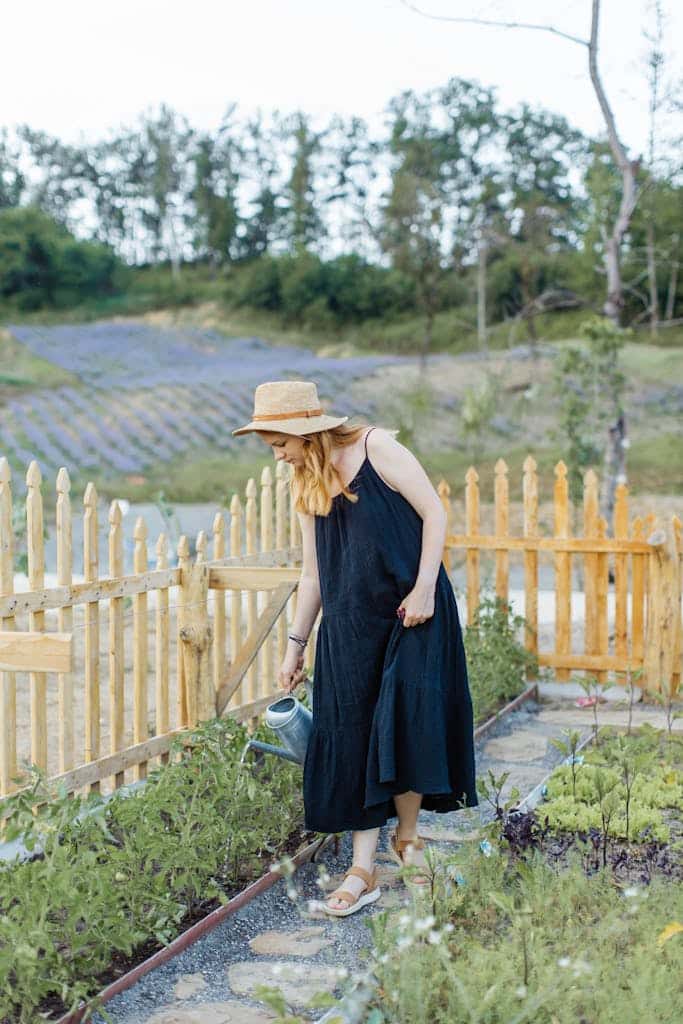
Water Your Garden Properly
Vegetables generally require approximately one inch of water each week (Ohio State University Extension, 2023).
Water plants deeply rather than frequently. Deep watering encourages roots to grow deeper into the soil.
Morning watering is recommended because it reduces evaporation and prevents plant diseases.
Step 10
Mulching Your Garden
Mulch is a simple but powerful way to protect and support your plants, especially for beginners. Adding a layer of mulch helps retain moisture in the soil, reduces weeds, and keeps soil temperatures more stable. This means you will not have to water as often, and your plants can grow more consistently.
The best time to add mulch is after your seeds have sprouted or after you transplant your plants and they are established. Spread a layer about 2 to 3 inches thick around your plants, making sure not to pile it directly against the stems. Using materials like straw, wood chips, or shredded leaves, or purchase ready to use mulch from most garden centers and home improvement stores.
Step 11
Control Weeds Early
Weeds compete with vegetables for nutrients, water, and sunlight.
Remove weeds regularly before they become large.
Applying mulch around plants helps prevent weeds and improves soil moisture retention.
Organic mulch materials include straw, leaves, wood chips, or grass clippings.
Step 12
Protect Plants From Pests
Insects and animals can damage garden plants if preventative measures are not taken.
Common pest prevention methods include
Garden netting to protect plants from birds
Fencing to prevent rabbits and deer
Neem oil spray to control insects
Healthy soil and proper watering can also improve plant resistance to pests.
Step 13
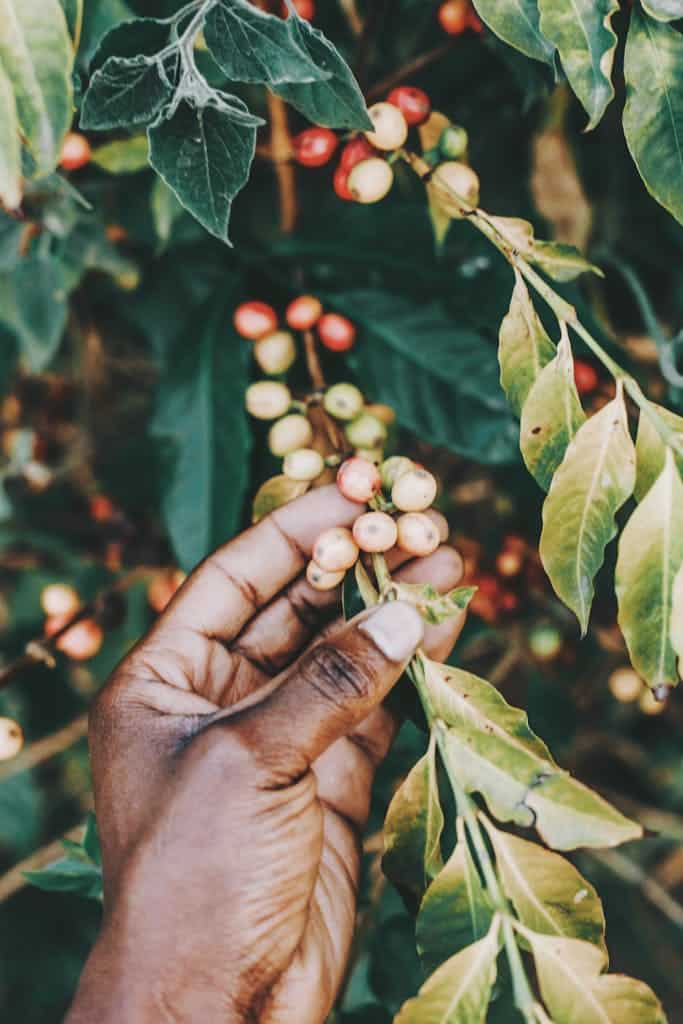
Harvest Vegetables at the Right Time
Harvesting vegetables at the correct time improves flavor and encourages continued plant production.
Examples include
Lettuce can be harvested by trimming outer leaves.
Beans should be harvested frequently to encourage new growth.
Zucchini should be harvested while still small and tender.
Regular harvesting increases overall plant productivity.
Common Beginner Gardening Mistakes
Most beginner gardeners make a few mistakes during their first growing season.
Common mistakes include
Planting too many vegetables in a small space
Overwatering plants
Planting crops in shaded areas
Ignoring soil quality
Failing to monitor plants for pests
Gardening improves with experience, and each growing season offers new opportunities to learn.
Starting a garden may feel overwhelming at first, but it becomes easier with time and consistency. With proper sunlight, healthy soil, and consistent watering, even beginners can grow productive and rewarding garden at home.
This year, I will be starting my own garden after the last frost in April, and I am looking forward to learning more along the way. I will be sharing my progress, what works, and what I learn throughout the season.
If you have started your own garden or have tips that worked well for you, feel free to share them in the comments. I would love to hear what you are growing and what has helped you succeed.
The most important step is simply starting. Plant a few seeds, care for them regularly, and enjoy watching your garden grow.
References
Missouri Botanical Garden. (2024). Vegetable gardening basics. https://www.missouribotanicalgarden.org
National Gardening Association. (2023). Beginner gardening resources. https://garden.org
Ohio State University Extension. (2023). Home vegetable gardening guide. https://extension.osu.edu
United States Department of Agriculture. (2022). Soil health and sustainable gardening practices. https://www.usda.gov
United States Department of Agriculture. (2023). Plant hardiness zone map. https://planthardiness.ars.usda.gov